• Score: 7/10

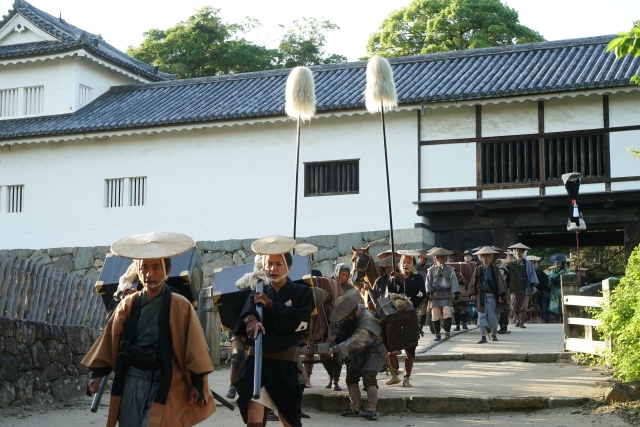
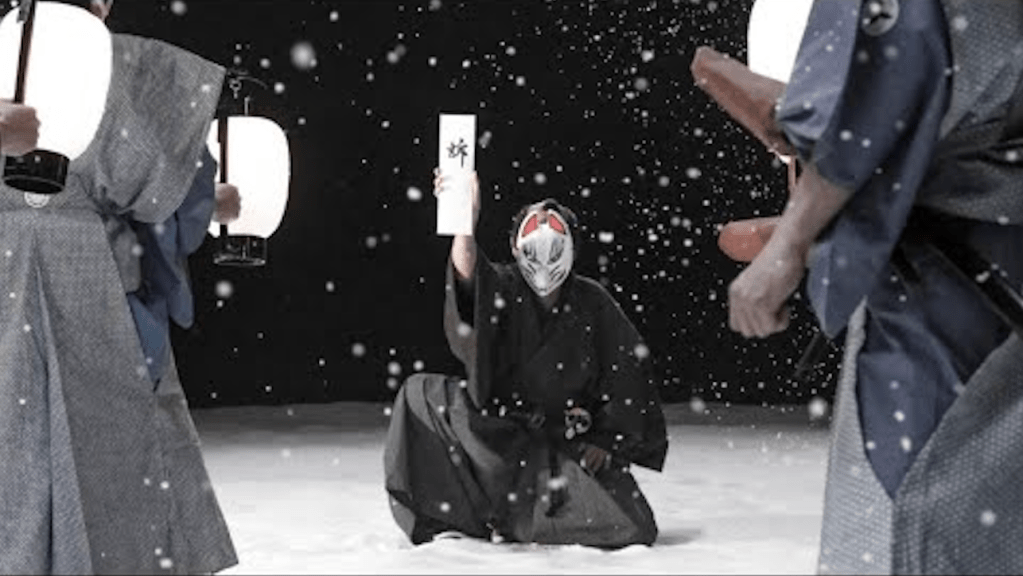
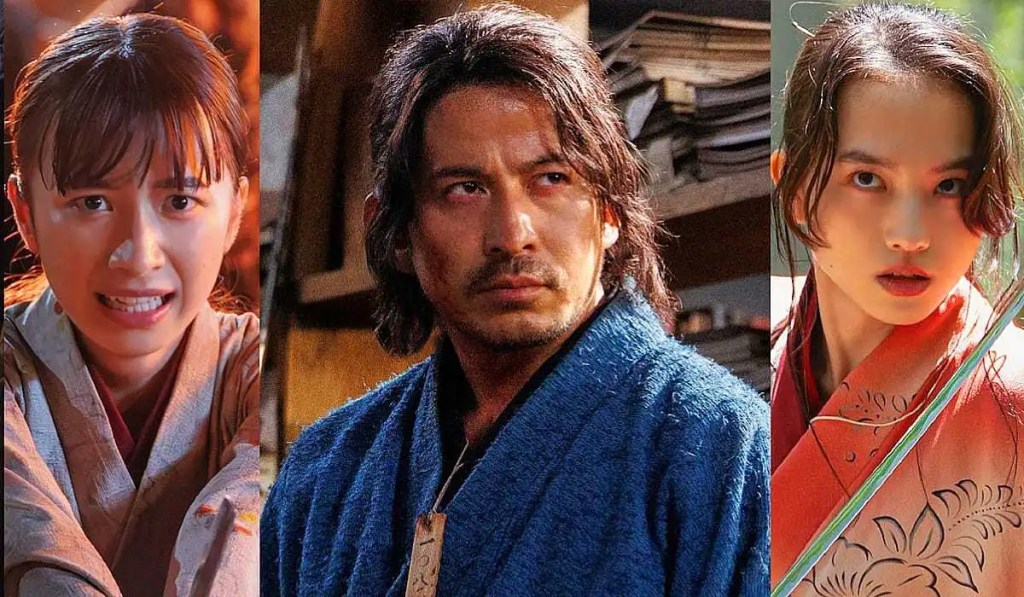
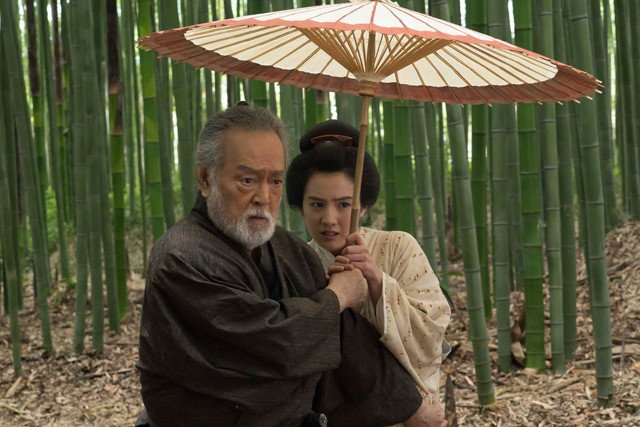
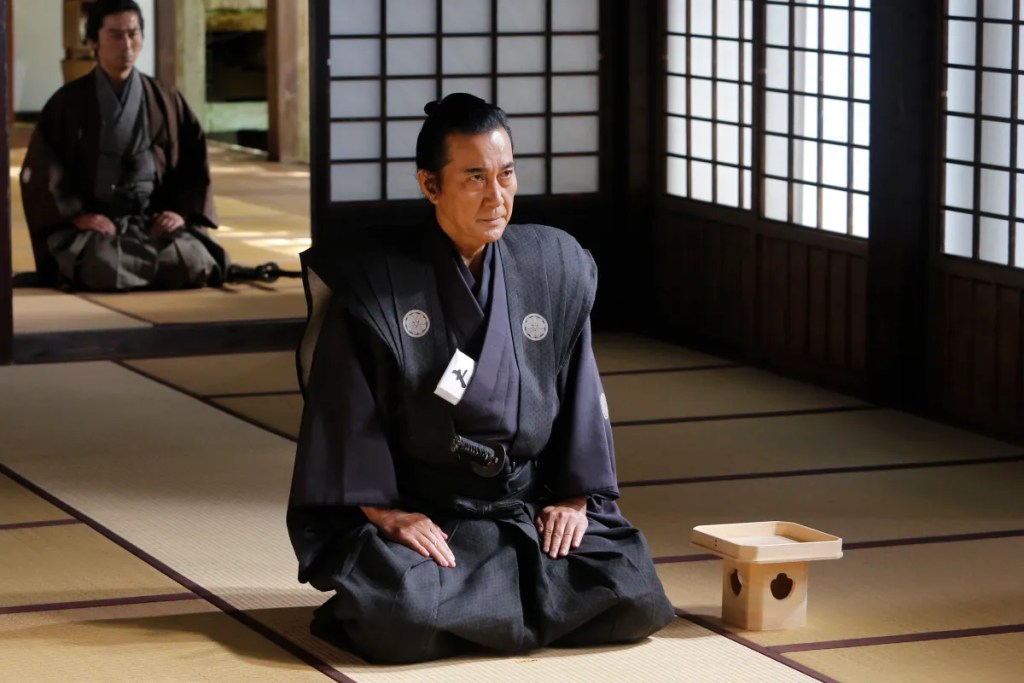
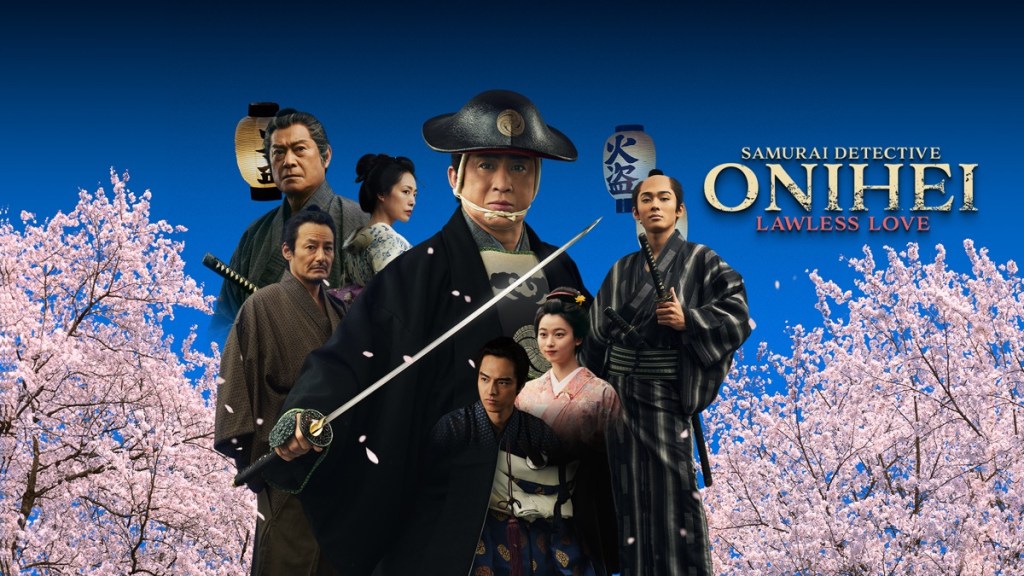
    Directed by ​​Yamashita Tomohiko and starring Matsumoto Koshiro X as the titular Heizo, leader of the arson and robbery bureau of the Edo police, LAWLESS LOVE exemplifies straightforward storytelling at a leisurely pace. The screenwriter, Omori Sumio, wrote the NHK taiga drama FUURIN KAZAN. High definition cinematography captures the beauty of outdoor sets transporting us to historic Edo’s bridges, canals, and antique villas. Composer Yoshimata Ryo (NHK taiga drama ATSUHIME) contributes a pleasant orchestral score. This film succeeds as both a police procedural and a character study. Because it takes its sweet time unfolding the plot, we learn intricate details about colorful side characters and what ties them together. What ensues is a bittersweet story about Heizo’s reunion with old friends and companions from his mispent youth. The film also features the lead actor’s son, Ichikawa Somegoro VII, as young Heizo.
     
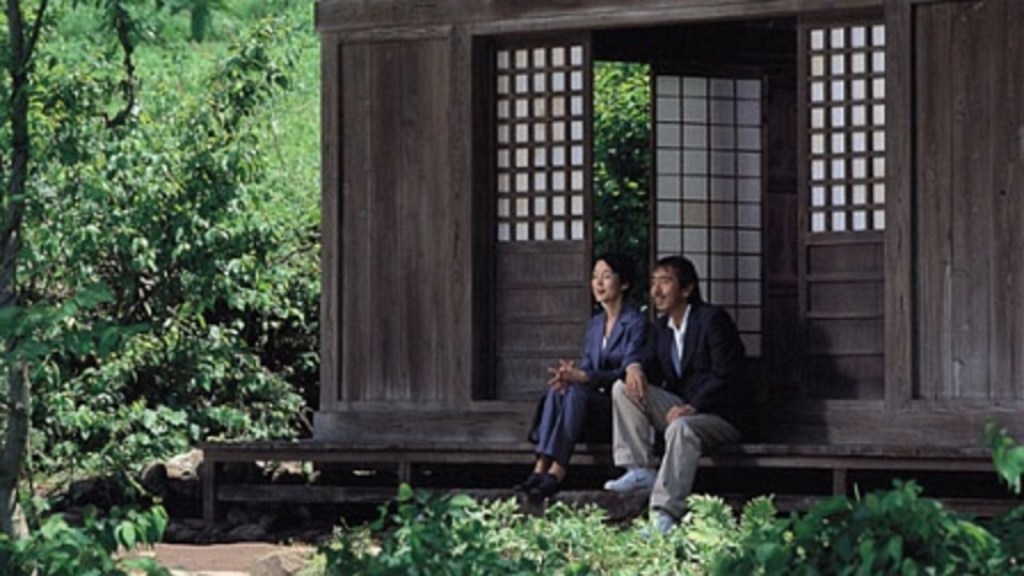
    A line from Heian-era poet Ki no Tsurayuki is twice quoted: “The hearts of people are unknowable but in my hometown the flowers still bloom with the fragrance of the past.”

    Hito wa isa
    Kokoro mo shirazu
    Furusato wa
    Hana zo mukashi no
    Ka ni nioi keru

    Matsumoto, a popular actor from a Kabuki dynasty, brings warmth and steely determination to his role. Stuntwork is satisfactory, but perfunctory. When you peel back the layers of this film, it feels the great ambition hidden at the center is not the resolution of the plot, which is a standard case of foiling a heist. Rather, it is the production’s ambition to be accepted as a worthy successor to the popular show of yesteryear. 

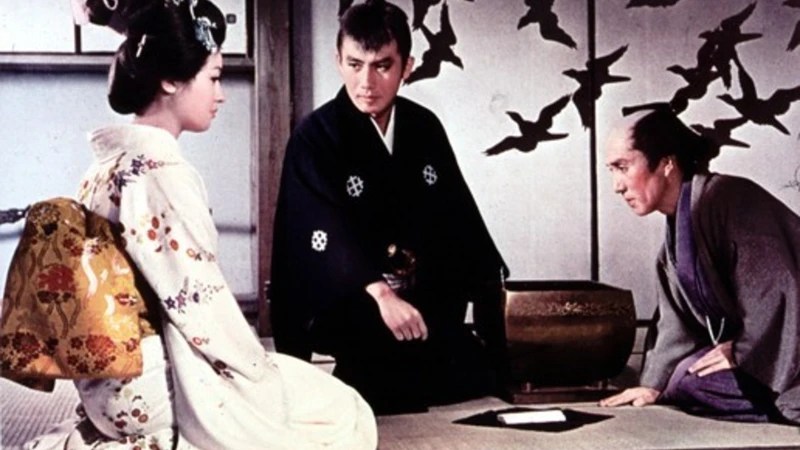
    The previous ONIHEI HANKACHO series ran from 1989 to 2001. It starred Nakamura Kichiemon II who hailed from a Kabuki acting dynasty. Matsumoto Koshiro X is his nephew. Remarkably, Nakamura’s father, Matsumoto Koshiro VIII, played Heizo in an earlier production from 1969-1972. Now four generations from the same family have embodied Heizo. Clearly LAWLESS LOVE was meant to launch a new era of ONIHEI stories, and several episodes of a television series starring Matsumoto have been produced since.

    Onihei Hankachō is a series of popular novels written by Ikenami Shotaro (1923-1990) featuring the historical Edo policeman/Tokugawa enforcer Hasegawa Nobutame Heizo. This historic samurai recently cropped up in the recent NHK Taiga drama, BERABO/UNBOUND, set in the 18th century Edo literary scene and the red light district of Yoshiwara where he was played charmingly by Nakamura Hayato. There was also an anime chronicling Heizo’s exploits. 

    Veteran actor Matsudaira Ken stands out as Heizo’s former dojo instructor. The most important female character, Ofusa, is played well by Hara Sachie (elder) and Kikuchi Hinako (younger). Without their humane performances, the narrative would have fallen flat. 

    A good ONIHEI story will transport you to a bygone era of Tokyo where responsible investigators ferret out criminal intent in much the way countless Sherlock Holmes adaptations take you to Victorian and Edwardian London. LAWLESS LOVE succeeds in this, despite a narrative that feels more slice of life than edge of your seat. 

    ©February 2026 Reel Japan all rights reserved
  • Score: 3/10

    The producers of AFTER THE QUAKE took on a tall challenge in adapting novelist Murakami Haruki’s volume of interconnected short stories into a single feature. All such adaptations of short fiction volumes into cinema seem bound to fail. Directed by Inoue Tsuyoshi, AFTER THE QUAKE is adapted from my favorite Murakami book, originally published in Japan as Kami no Kodomo-tachi wa Mina Odoru (All God’s Children Dance).

    Each section is realized in the sparest dialogue and shots to keep the narrative moving. The key to understanding the viability of such an adaptation is that the stories are interrelated mostly by emotional content, rather than by plot. The emotional basis of characters’ struggles is trauma and survivor’s guilt following natural disasters. Considering these handicaps, the audaciously grim atmosphere of all the stories doesn’t help. At times I was reminded of old adaptations of the Ray Bradbury fix-up books, The Martian Chronicles and The Illustrated Man.  A fix up book is a volume of stories originally unrelated, into which the author has later fermented mycelial networks of dependent origination, in the form of mostly extraneous details. 

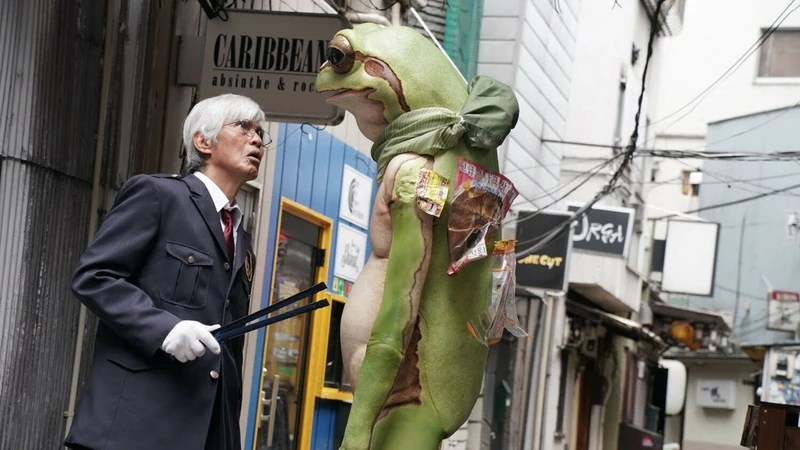
    Some of the Murakami stories, especially those weighted around the middle of the film, really never take off the ground. Actors put forward their best dramaturgical foot, but the path disappears. The central conceit of the film, drawn from the story Super-Frog Saves Tokyo, is a subterranean battle between the angry worm and frog-man Kaeru-Kun which epitomizes the tectonic danger and drama.  The nature of that underground battle is translated onto the screen in an intriguing (if unsatisfactory) way. Crimson color filtering and footage of (I’m guessing) model trainsets stand in for the worm, intercut with an ominous and equally red hallway from which multiple characters emerge and recede. Inoue and cinematographer Watanabe Yasutaka turn the battle into a kind of Lynchian Hilton hotel reservation. Sadly, the actual frog suit cannot hide behind such glossy techniques and sticks out like a sore thumb. 

    An extraordinary cast was assembled to make this film, its collective talent largely wasted. Screen veterans Tsutsumi Shinichi (Miyake), Sato Koichi (Katagiri), and Shibukawa Kiyohiko (Tabata), and younger talents like Non (Kaeru Kun), Hashimoto Ai (disappearing wife), Okada Masaki (Komura), and Nishikido Ryo (Kushiro) try their best to anchor the story in human emotions, but there is little for the viewers to cling to but cinematic poetry, and only that of the abstruse postmodern variety. I cannot recommend AFTER THE QUAKE, which proves that the book continues to be unfilmable. 

    ©February 2026 Reel Japan all rights reserved
  • Score: 6/10 

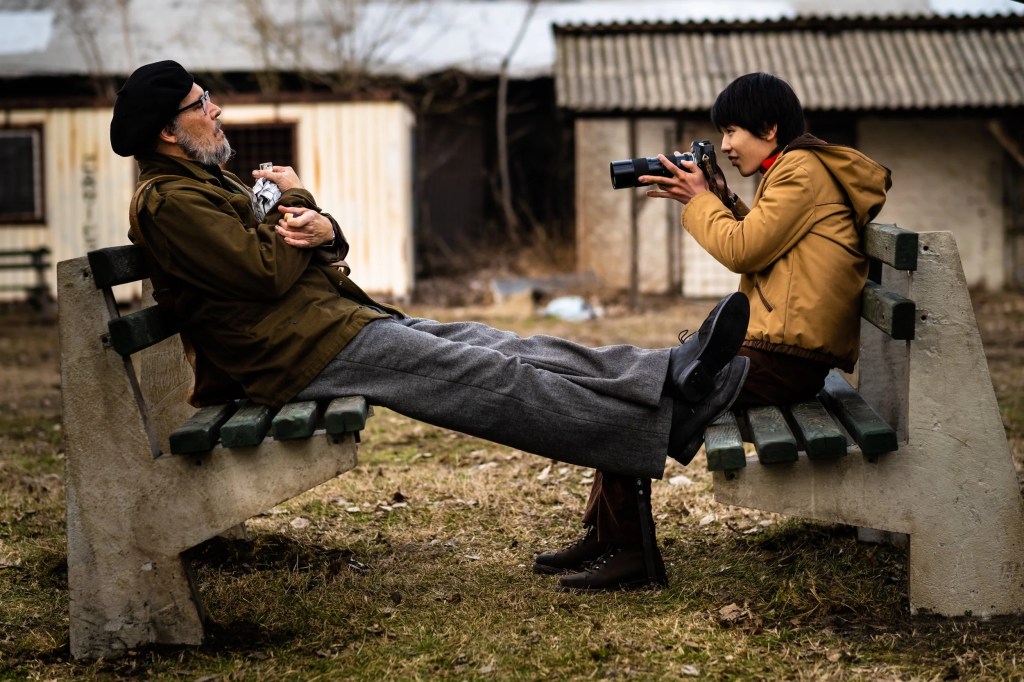
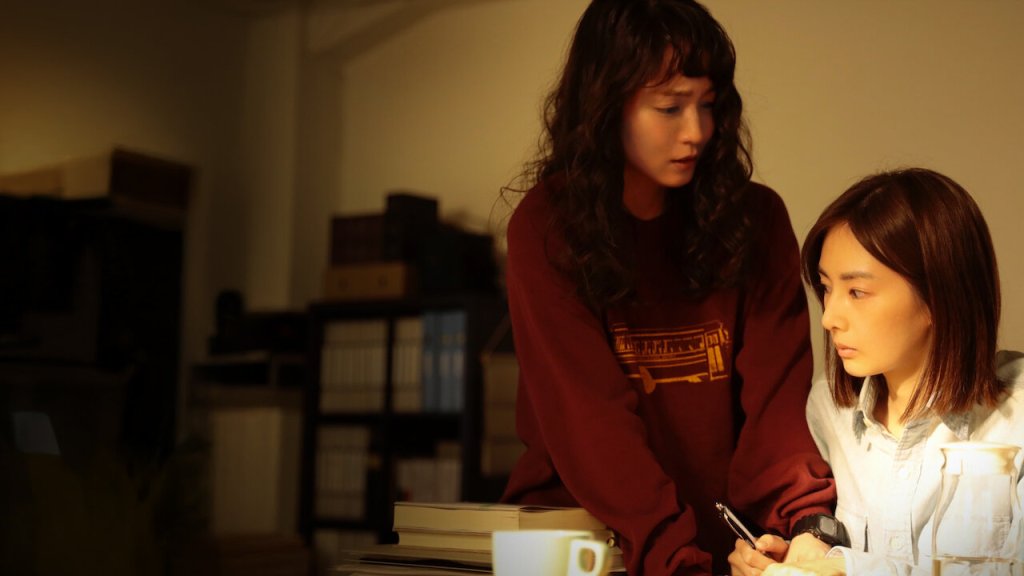
    MINAMATA is a rare bird of a film. A true story set in the early 1970s in Japan, with brief interludes in NYC, it was filmed in Japan and Serbia. Directed by Andrew Levitas, an American who has helmed two movies, it features a mostly Japanese cast rounded out by Johnny Depp and Bill Nighy. The story features dedicated activists joining up with one reluctant photo-journalist to take on industrial pollution (mercury poisoning at an unspeakable level) in a small Japanese town. The story is such an important historical event, we must wonder why a Japanese director has yet to tackle the subject. Politics? 

    The first thing that strikes you about MINAMATA is the photographic fabric of the cinematography. Veteran cinematographer Benoit Delhomme weaves a fabric of color and black and white schemes full of saturation and grain that roots the visuals in Gene’s photographic world. The second thing you notice is the excellent score by the late Japanese composer Sakamoto Ryuichi.

    The film tells a compelling story about a nation and community struggling to come to terms with justice and responsibility. That the activists needed to bring in outside help in the form of a LIFE magazine photo-journalist (really, THE first photo-journalist, W. Eugene Smith), and that he had to suffer along with them to document their reality is the heart of the film. Depp is effective as the outsider in a frail position among a sea of Japanese whose language he cannot speak and who are figuratively at war with each other. In his moments of introspection when Gene’s mettle is tested, it may not be Depp’s finest performance but it rings true. Depp is no novice at portraying alcoholics, and Gene’s protestations emerge meekly around gulps of liquor. The film hints at Gene’s PTSD from his photographic tour of duty in WWII. 

    Popular actress Minami plays Aileen Mioko, a half Japanese, half American woman dedicated to the cause. Minami is herself half French. She hails (along with Shibasaki Ko, Fujiwara Tatsuya, and Kuriyama Chiaki) from the group of Japanese actors who burst into cinema in the infamously bloody thriller BATTLE ROYALE (2000), a dystopian film that predated the HUNGER GAMES. Minami plays Aileen as both serious and sultry and the film makes much of the sparks between her and Depp. 

    Kunimura Jun plays Gene’s nemesis, the factory CEO who tries to strike a Faustian bargain. Kunimura is known for his work in both Japanese cinema and in international films such as Ridley Scott’s BLACK RAIN, Na Hong-Jin’s THE WAILING, Tarentino’s KILL BILL VOL.1, and Miyazaki’s THE BOY AND THE HERON. Depp and Kunimura square off as enemies and mirror images. Both men begin to feel empathy and are resistant to feeling it and showing it. 

    MINAMATA suffers from its unusual balance of tone. Depp’s character bumbles through the landscape drunk and seething with self-loathing like a knavish everyman in a Graham Greene thriller. The real Gene Smith, who walked a gauntlet of maximum obstruction and brutality in order to get the pictures, probably didn’t need such embellishments to be cinematic.  

    The screenplay clearly chooses Gene as the character through whose eyes we learn the story, but then leaves him out of one of the most important scenes about the townsfolk who struggle for a humane outcome. That scene is anchored by actor Hiroyuki Sandada as a crusading activist. Viewers may feel they are watching two stories but will probably remain invested in both outcomes. 

    ©Reel Japan February 2026 all rights reserved
  • Score: 8/10

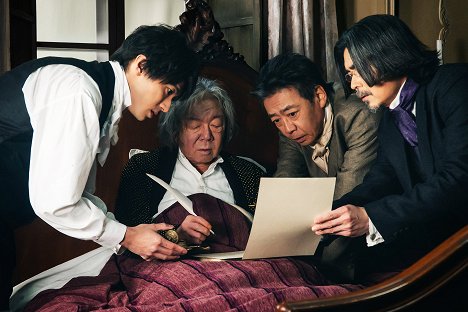
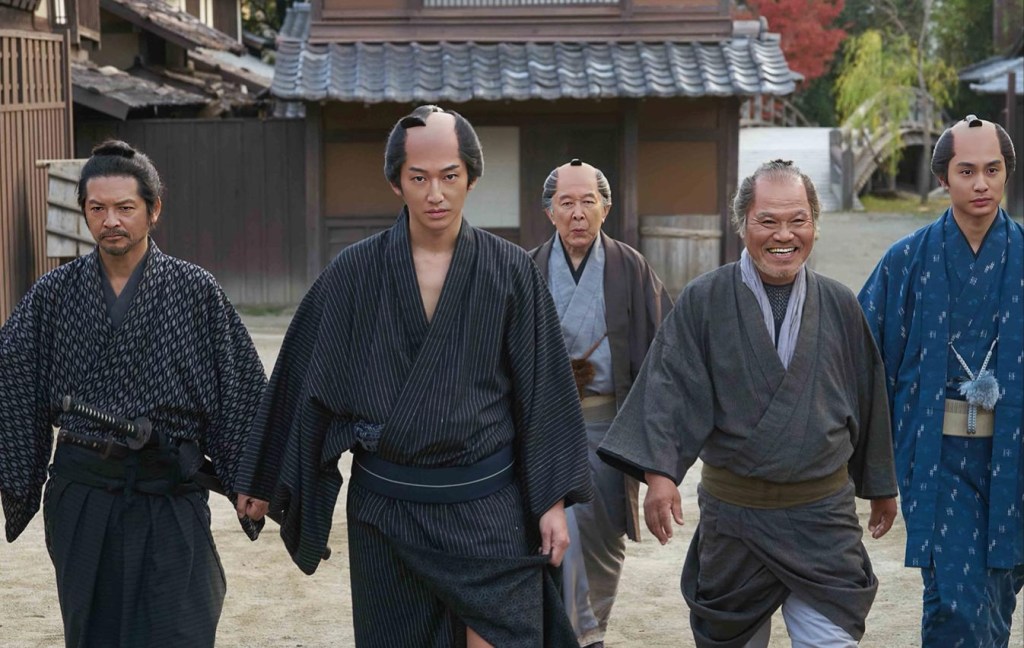
    FAKING BEETHOVEN is a unique outing in the history of Japanese cinema. Written by Bakarhythm, noted Japanese screenwriter and comedian who brought us the recent comedy hit HOTSPOT, it is based on Kagehara Shiho’s 2018 nonfiction book and features superb acting from a huge cast, but lead Yamada Yuki carries the film. He plays Anton Schindler, Beethoven’s devoted and obsessed secretary whose curious relationship with the truth and ambition to document the maestro’s legacy creates friction with musicians and historians. The film has been billed as “the greatest scandal in music history.” This is far from the truth, but the value of its story is a character study of a man obsessed and his fateful decision to pour all of his creativity into an unworthy cause. Nasty grudges and intricate deceptions abound. The film is not so much about music as about obsession. 

    The film features a framing device, in which the actors of the film perform double duty as both the historical figures and contemporary schoolteachers. Looking bored and sullen behind his piano, one music teacher (Yamada) narrates the story to a boy who left his pencil case in the classroom. It immediately brings to mind THE WIZARD OF OZ, with Ray Bolger as a farmer AND the Scarecrow, Margaret Hamilton as Miss Gulch AND the Wicked Witch. Is it necessary? This is not a modern fairytale in the style of L. Frank Baum, Michael Ende, or William Goldman. The framing device is clearly designed to explain and excuse the use of an all Asian cast to portray 19th century Europeans. Was it all in the mind of one forgetful child? Perhaps it was just a dream, but using the vibrant Japanese film industry with all its technical and actorly resources in this way opens up a world of possibilities. 

    Yamada Yuki has done excellent work in GODZILLA MINUS ONE and WHAT WILL YOU DO, IEYASU? Furuta Arata is excellent in a supporting role as Beethoven. The actor’s job was to showcase the two competing sides of the genius’s character, the two sides being fought over in the memoirs of his secretaries, students, and friends. Furuta aptly and efficiently highlights those facets, one more heroic and one more human. The excellent Shota Sometani appears halfway through the film as the American investigative historian Alexander Wheelock Thayer. 

    The soundtrack faithfully reproduces a greatest hits reel from Beethoven’s works. Those performances and the music editing are not as sublime as AMADEUS, or even IMMORTAL BELOVED, but the music does transport us into a lost world. Frequent use of CGI backgrounds is not too distracting. I do not imagine there are many locales in Japan that can stand in for 19th century Vienna excepting a few neighborhoods erected in the Meiji era. The costumes are opulent. Antique furniture, musty drawing rooms, and bookshelves filled with leather-bound volumes carry us into the story (which is about competing books, after all). 

    Although it is no AMADEUS, and Schindler’s agonizing journey can be a bit of a slog, I have chosen to assign a score of 8/10 with extra points for daring. 

    © Reel Japan February 2026 all rights reserved
  • Score: 9/10

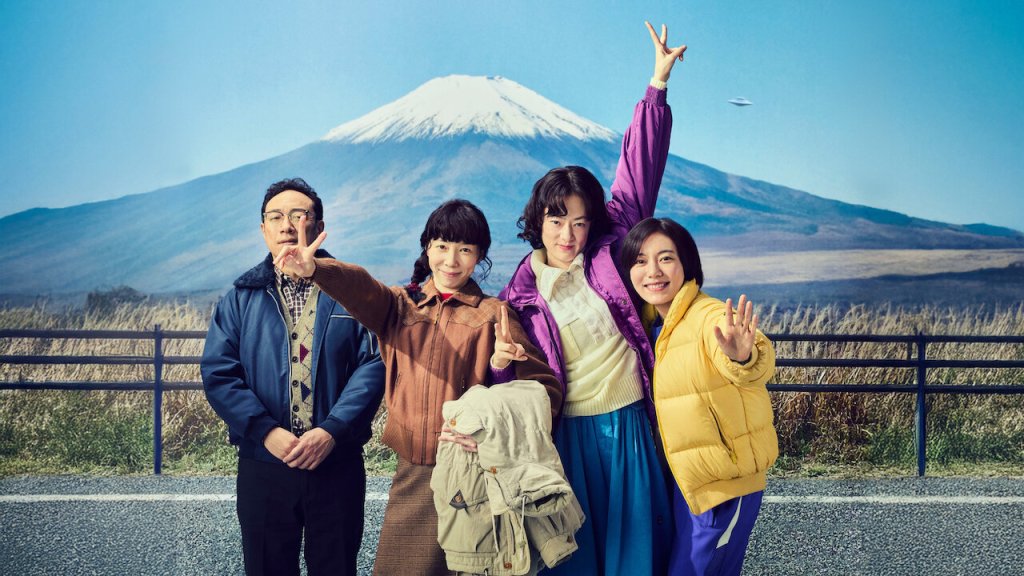
    A charming ensemble workplace comedy sprinkled with hints of sci-fi and the supernatural, HOTSPOT will pull you in and make you fall in love with the humdrum personalities that populate this small resort town in the mountains. Its ingenious title is a pun on the hot spring vacation spot where it is set. That town is near the iconic Mount Fuji and most of the characters work in the hospitality industry. Japan is sprinkled with such geothermal waters called onsen. The title also refers to this particular fictional town’s extraordinary proclivity for attracting the abnormal and even the paranormal. 

    HOTSPOT does pack enormous charm. Part of that charm derives from the chemistry of the cast and their commitment to their characters’ individual quirks. Another part draws from the unmistakably Japanese workplace humor, grounded in its own kind of awkward. Coworkers twist themselves into pretzels trying not to speak their minds too directly and hold grudges over small incursions of personal space and autonomy. Internal monologues are a necessary apparatus of the storytelling, making it more David Lynch than The Office, but Lynch-lite. Finally a significant portion of the charm builds on the whimsy of the world the writers built.  These days, studios want to cash in on whimsy, building marketable and toy-line universes, or worse, multiverses. Not so here. I doubt Hotspot will ever return in any form. You will want to take this unique world for a spin and then must leave the mountainous resort town with its galactic/supernatural connections behind. 

    HOTSPOT’s writer (and longtime comedian) Bakarhythm has a reputation in Japan for offbeat humor and it shows. He co-wrote the recent historical film FAKING BEETHOVEN, which features an all-Japanese cast portraying the 19th century musical scene. 

    HOTSPOT’s success relies upon its cast, including its two leads. Kakuta Akihiro is endearing as Takahashi, drawing from his comedy background for timing but never straying from realism and subtly. Ichikawa Mikako as Kiyomi plays the comedic straight man to Kakuta’s (inadvertent) clown. Ichikawa was also excellent in the crime procedural UNNATURAL and in SHIN GODZILLA. 

    At the start of the series, plots seem driven mainly by the personal connections and bonds of trust which the characters build. Science fiction elements are added (or revealed) to explain strange behaviors first seen as personality quirks. In the middle episodes the writers rely upon the tried and true formula of superheroes avoiding the pitfall of their powers and identity being revealed, as journalists swarm the town. The final episodes surprised me when further qualities of scifi and elements of the supernatural were added like pot luck entrees, creating a more chaotic story smorgasbord. Also to my surprise, a heist plot involving local politics took a central focus. The heist plot works adequately because the fate of the town’s economy and of its most vulnerable resident relies upon the outcome. But the heist does distract somewhat from the organic texture of the comedic narrative. I would have liked to see these ideas explored in a further season; there simply was not enough HOTSPOT for me. It is the most intriguing workplace comedy I have seen since I discovered the hit Icelandic comedy (and Jon Gnarr vehicle) NAITURVAKTIN in 2009. 

    © Reel Japan February 2026 all rights reserved
  • SCORE: 8/10

    “Does it spark joy?”

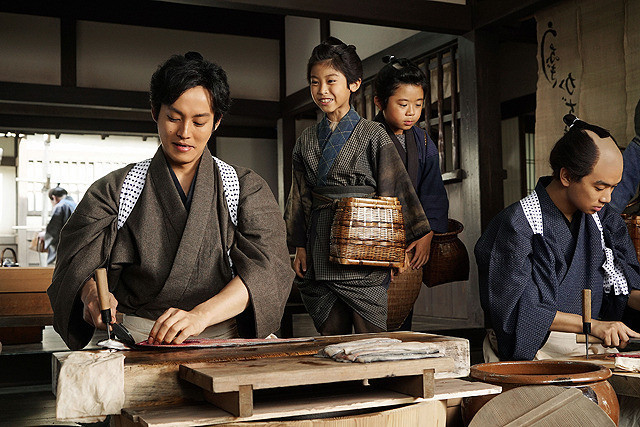
    SAMURAI SHIFTERS is a delightful romp through Edo-period Japan which strikes a perfect balance between the dramatic and the comedic. Director Inudo Isshin (THE FLOATING CASTLE) keeps the story laser-focused despite the huge cast of colorful characters. Hoshino Gen stars as Shunnosuke, a pale bookworm born into the samurai class who works as a daimyo’s librarian. Takahashi Issey, sporting much more charm than usual, plays a confident and boisterous samurai in the same clan responsible for shanghaiing Shunnosuke into a high-pressured new job. The two lead actors have good chemistry, mainly by playing as opposites off of each other. Hoshino and Takahashi carry the film which aims to tell a very peculiar story. 

    The Tokugawa shogunate presided over a Pax Romana of two and a half centuries by controlling their vassals with an iron fist. From time to time, entire clans would be abolished, forcing lords to fire all their retainers. Other clans would be downsized or forced to relocate domains or switch places with other clans. This policy was handled strategically or capriciously, or stratego-capriciously, if you will. A clan that successfully transformed and relocated according to these edicts had a chance at survival. But a generation later, they might find themselves moving again, with no one left alive experienced in the ordeal. 

    This is where we find our young heroes, preparing to not only move, but enact lay-offs, cut expenses to fit the new salaries, and move people and property across Japan. Failure to do this successfully may lead the shogunate to outright abolish the clan. This ambitious and delicate operation needs a managing director and his role will automatically result in his stepping on everyone’s toes. Shonnosuke, the well-read but shy samurai, is nominated to the position against his own wishes. 

    Takahata Mitsuki (GUNSHI KANBEI), well known as the Japanese voice-actor and singer dubbing Elphaba in the WICKED films, plays Shunnosuke’s stubborn and aloof love interest, Oran. Oran holds the keys to the clan’s survival in the form of her late father’s moving instruction manual. He once held the job that now belongs to Shunnosuke. He must get his hands on the wisdom of the past to save his clan and his faltering lord (Oikawa Mitsuhiro), who is haunted by dreams of his own father dying en route between domains. 

    The chapters of moving instructions become the backbone of the film, which follows their structure religiously. As a relic the book represents continuity between generations. Even the musical score follows as samurai join together in educational songs to teach themselves how to pack up and vacate their castle. A long challenging process of decluttering ensues, replete with tense confrontations between Shonnosuke and his powerful superiors. It all brings to mind Marie Kondo and her catchphrase “Does it spark joy?” 

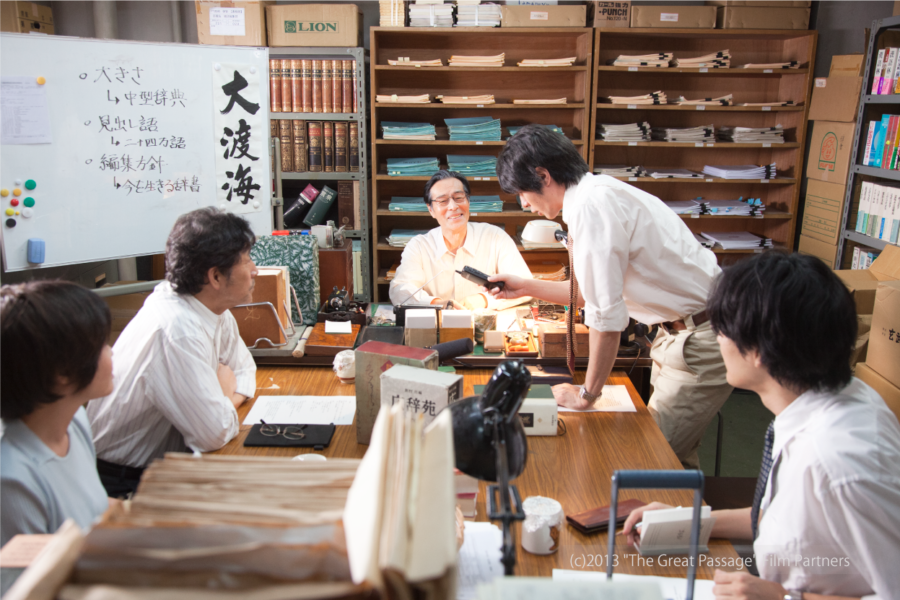
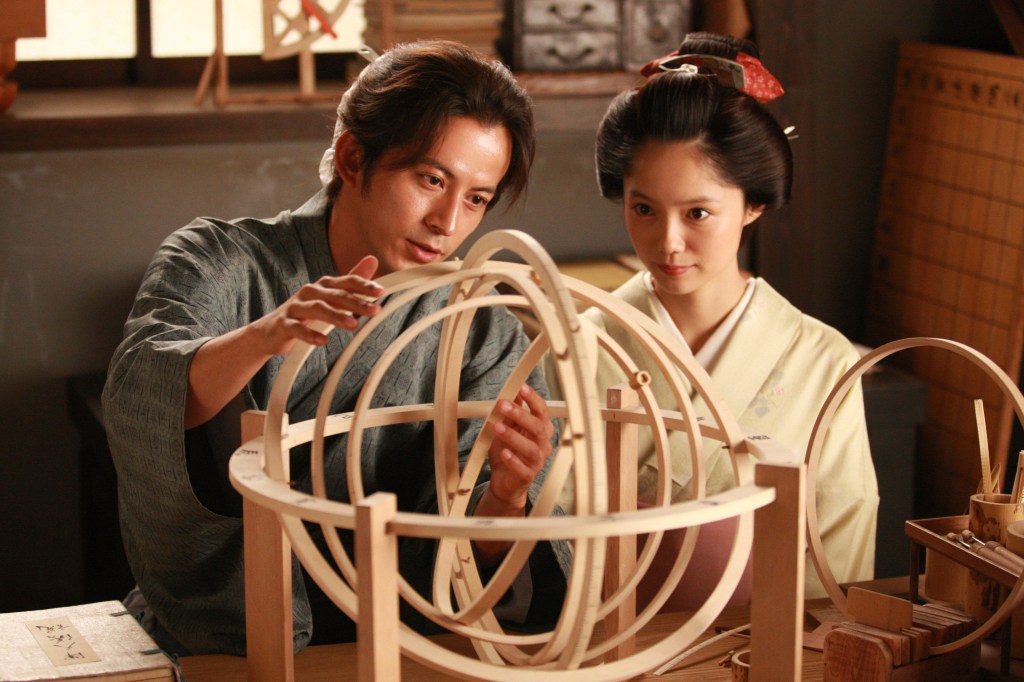
    I cannot avoid comparing two nerdy samurai at the heart of singular films: In SAMURAI SHIFTERS we have Shonnosuke as relocation-tzar and in SAMURAI ASTRONOMER we have Santetsu (Okada Junichi) as a brilliant scientist bucking tradition. Because SHIFTERS is a lighthearted and romantic comedy, Hoshino’s performance never has to rise to the level of Okada’s. Hamada Gaku (MY FAMILY, GUNSHI KANBEI) joins SHIFTERS halfway through, portraying yet another brilliant samurai. Hamada is effective in what is ultimately a superfluous role. 

    Between the bureaucracy, the logistics, and the musical numbers, we naturally begin to wonder if this will be a samurai film without a single fight. Patience rewards the viewer of this delightful and utterly original samurai story. 

    © Reel Japan January 2025 all rights reserved
  • Score: 3/10

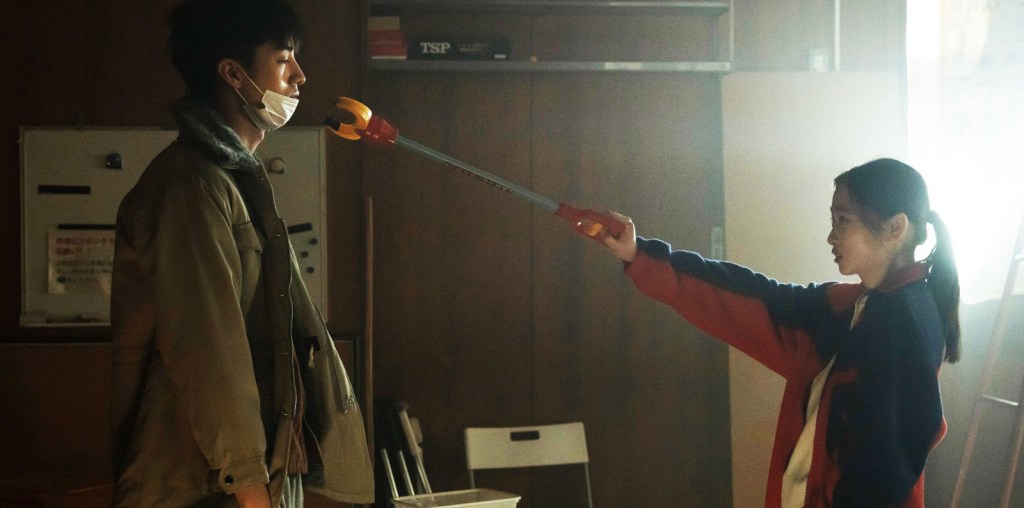
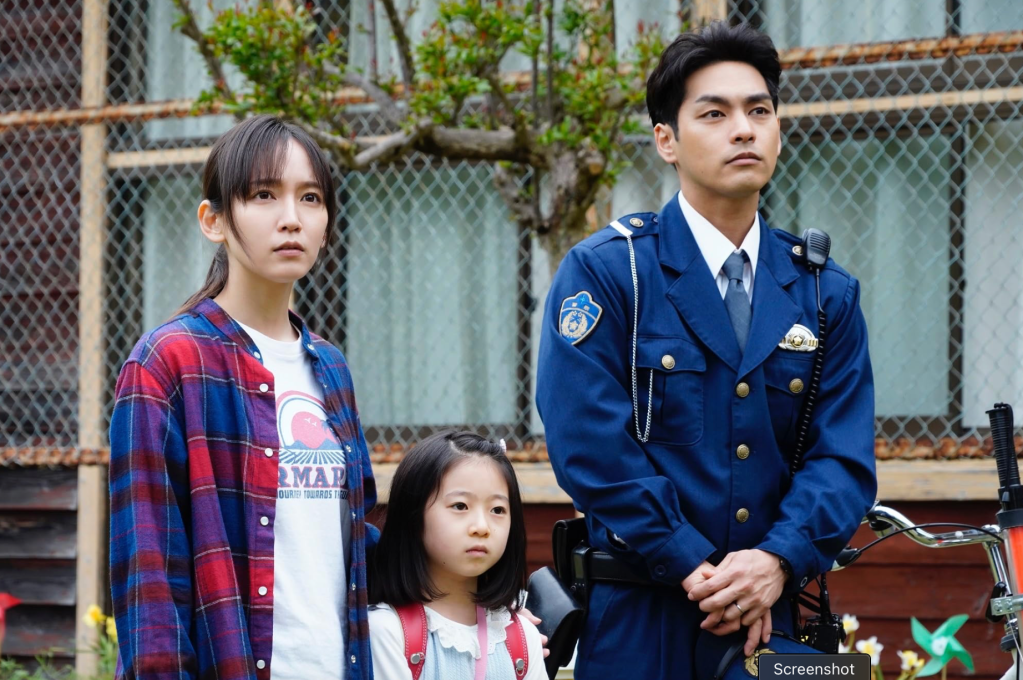
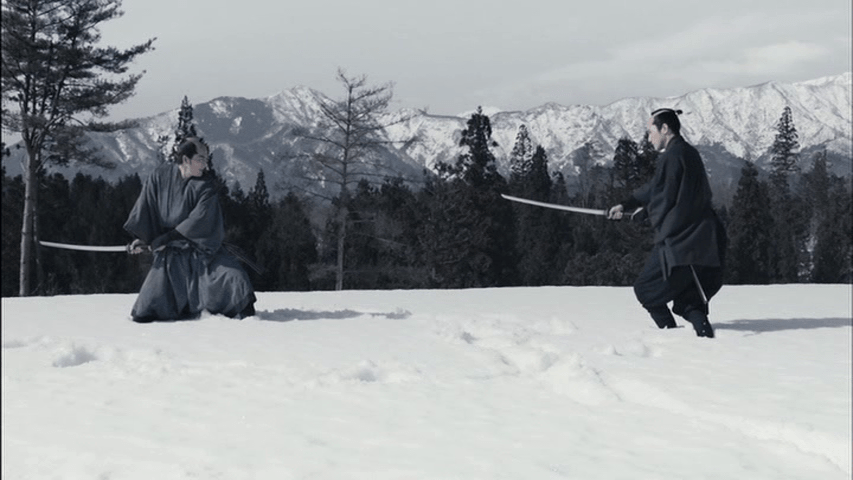
    MISSING is a long slog of a movie that can’t decide if it is an oddball buddy film or a Nancy Drew-esque detective flick. The buddies are a pervert and a slob who team up to commit crimes that crisscross the lines of mercy, sadism, and opportunism. The young detective is a streetwise middle-schooler who sets out to find her missing father though everyone around her shrugs off her suspicions. MISSING’s weakness can be found in the way each plotline disappears from view as one leapfrogs the other. The central issue tackled is suicide, a perennial Japanese obsession. Assisted suicide becomes the gateway drug for one character with a killer instinct. Katayama Shinzo directs. He directed another production with dark themes featuring men on the run: THE HOVERING BLADE (2021) as well as the gory and action-packed GANNIBAL (2021-2025). In MISSING, as in his other works, the performances are excellent. Ito Aoi (HUMAN SPECIMENS, IEYASU, WHAT WILL YOU DO?) stands out as young Kaede who boldly confronts a killer she suspects of kidnapping her dad, played by Sato Jiro with a carefully balanced mixture of grief and comedic timing. Shimizu Hiroya plays a mysterious young man with unhealthy obsessions. Morita Misato (CITY HUNTER, 2022) steals scenes as an eccentric suicidal woman stubbornly pursuing her goal. Unfortunately, these high caliber performances cannot raise the film above its automatic mediocrity. It is too disturbing to be funny, too funny to be taken seriously, too long to be entertaining, and too preposterous to be inspiring. 

    © Reel Japan January 2026 all rights reserved
  • Score: 8/10

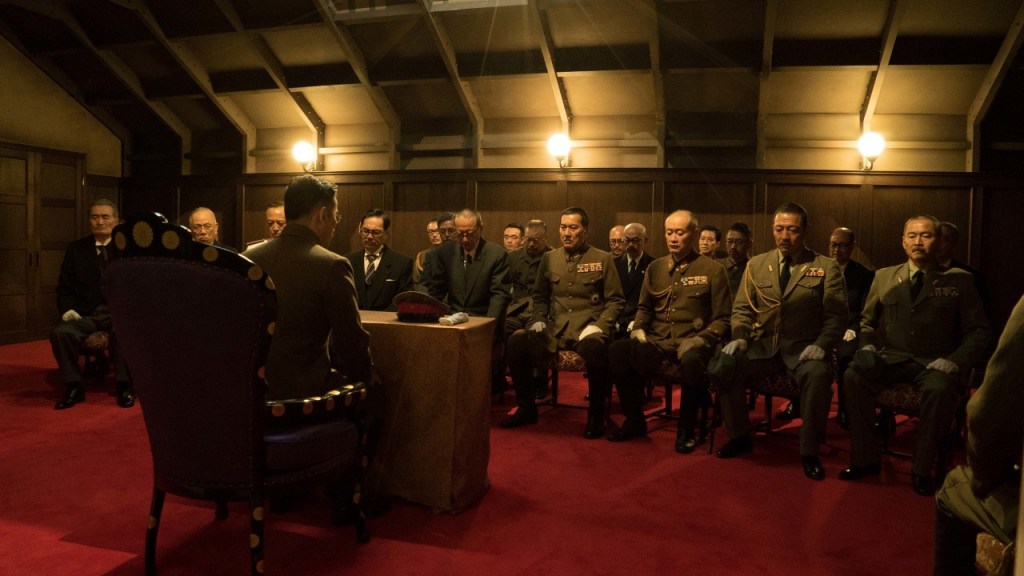
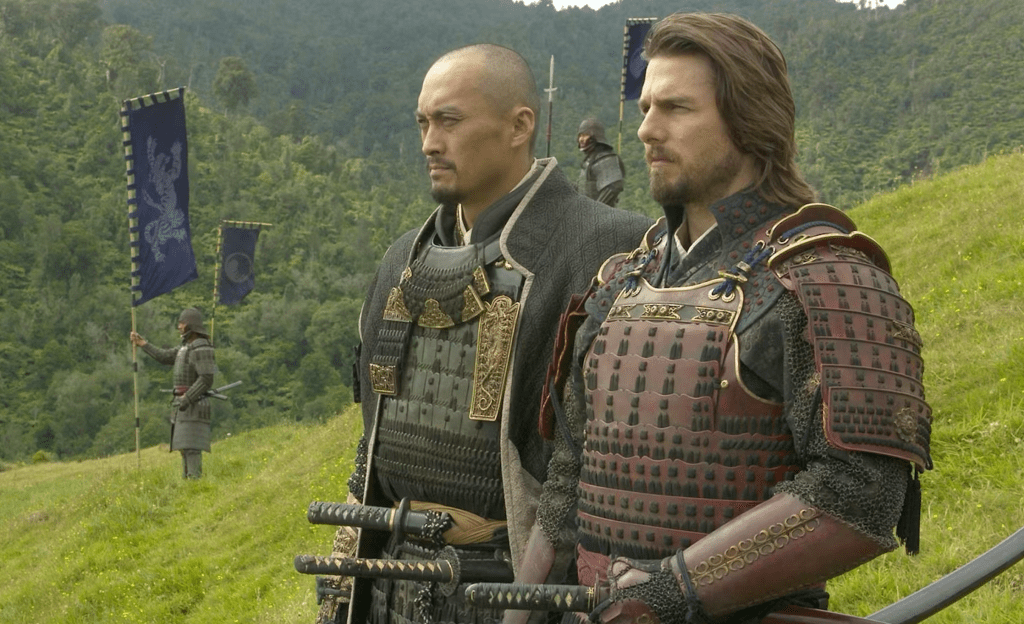
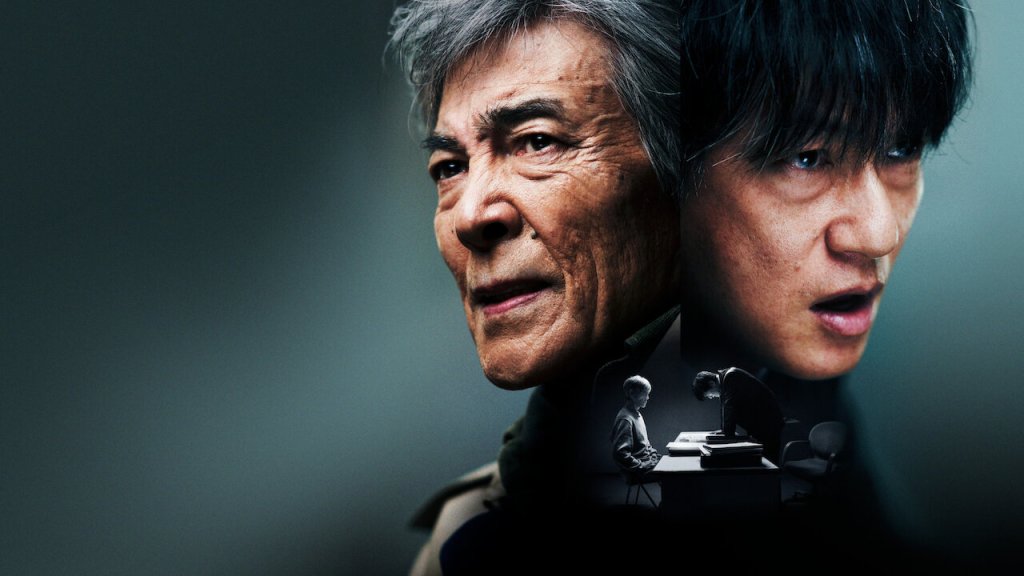
    Film director (and occasional actor) Harada Masato recently passed away, leaving behind an impressive body of work. He may be best known to western audiences as the villain in THE LAST SAMURAI, but he directed 26 feature films. His 2015 film, THE EMPEROR OF AUGUST is a remake of the 1967 film JAPAN’S LONGEST DAY. Harada’s more recent account aims to depict Emperor Hirohito realistically. Motoki Masahira won a Japanese Academy award for best supporting actor in his regal role as the wartime figurehead of the crumbling constitutional monarchy of a nation losing history’s most destructive war. Like SHIN GODZILLA (2016), this film depicts an elite clique attempting to impose order over things which cannot be controlled. What unfolds is a detailed parade of chaos. 

    The cast is excellent: Japanese film icon Yakusho Koji carries most of the film as General Anami. Matsuzaka Tori gives one of his greatest performances as Major Hatanaka, a fanatic who won’t accept defeat. Veteran actor Yamazaki Tsutomu plays Prime Minister Suzuki as an aged statesman from a bygone age and hard of hearing when convenient. 

    One of the film’s greatest strengths is its relentless pacing, lacing together days of inaction with one night of chaos. Of course those days of inaction brought about tragedy too. The atomic bombing of Hiroshima is depicted and the bombing of Nagasaki is referenced. Characters, true to their mid-20th century context, fail to comprehend the magnitude of the west’s new weaponry. 

    The other strength is the filmmakers’ anthropological lens: characters are duly treated as relics of their time and culture. The camera brings them to book for their hypocrisies and for their disloyalties as debate leads to argument leads to coup. But it does not judge them from modern standards, nor should it. An act of seppuku may be portrayed as ridiculous in its timing, but the aims of the one committing are taken into account. The callous and selfindulgent folly of the age is exposed in all its ugly veins and sinews, but each man and woman, like a cog in a machine of doom, is treated realistically. Japan’s longwinded and faltering surrender was a debacle that prolonged suffering for both sides. Whether or not the filmmakers’ take on each man’s culpability is accurate in the judgement of history, Japan’s longest days are depicted accurately as a bitter struggle to find common purpose and faith in a meaningful life after war. 

    © Reel Japan January 2026 all rights reserved 
  • Score: 6/10

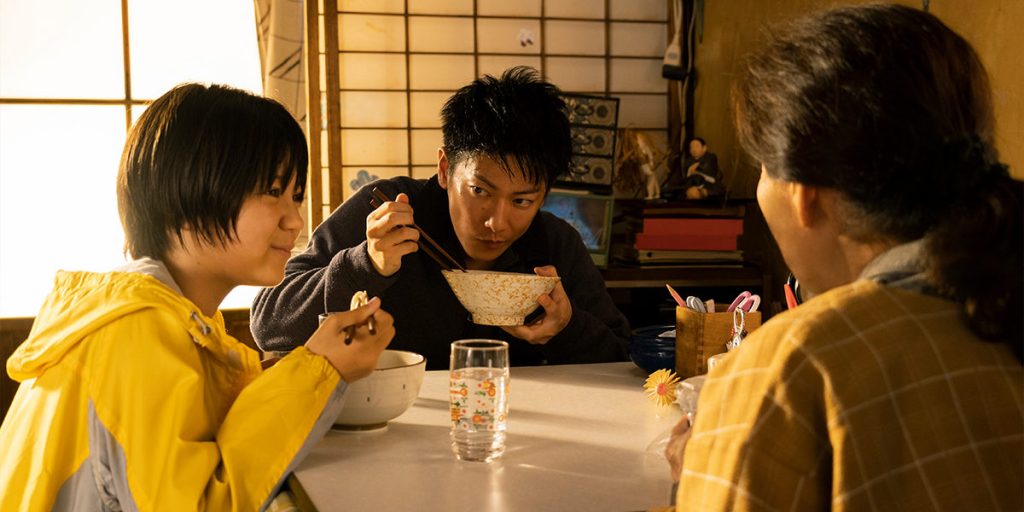
    An interesting addition to the canon of Japanese horror films and series, HUMAN SPECIMENS is adapted from the novel by Minato Kanae (SUNSET). The production leans on symbolic and transformational cinematography, detailed art design, and strong but enigmatic performances from the stellar cast. 

    There are many horror productions in which the filmmakers force us to confront unimaginable grotesqueries. This alone cannot sustain a story. In the detective genre, there is the unfolding mystery. In that genre and in thrillers, there is often excitement generated from cat-and-mouse dynamics. Sometimes dark comedy, or even light comedy, balances out the grotesque (for example, both can be found in DEXTER). HUMAN SPECIMENS relies heavily on its unfolding mystery. But it imposes upon the audience the role of detective. Being a study of extremes in the personalities of humans and artists, it reminds me of Thomas Harrris’ Hannibal Lecter novels, populated by eccentrics indulging themselves with free reign amongst their mere-mortal neighbors. However, among the main characters, it is hard to find anyone whose personal agency outweighs the degree to which they are manipulated by others. Our vision as the viewers struggles to secure the truth as the main theme of the story comes into focus. It is vision: its clarity vs. its range. 

    I recently reviewed SUNSET (2023), another miniseries based on Minato’s work. The two stories do share common features. For instance, both feature a character on death row who is very content to remain there. But whereas SUNSET probes sickening acts of the past, HUMAN SPECIMENS horror unfolds in real time. 

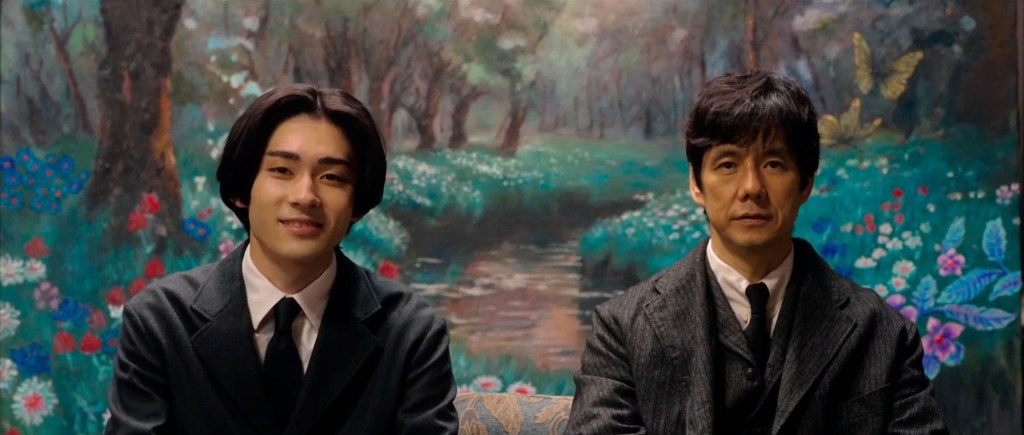
    The cast all do yeoman’s work. Nishijima Hidetoshi plays Shiro, an expert on butterflies. At first he seems like a one-dimensional academic. In mysteries and psychological thrillers, the camera tends to peel back layers. It does so here, but it also adds layers. Nishijima succeeds in the role because he is believable from all angles. He was effective in the MOZU films and series, and remarkable in YAE NO SAKURA (2012) as Yae’s brother Kakuma, a historic figure and survivor of the Boshin War. Miyazawa Rie plays Rumi, Shiro’s childhood friend who is now a star in the modern art world and commands adoration through her unique artistic vision. Miyazawa has had a long career in film and music. She was striking in the NHK taiga drama TAIHEIKI (1991). She recently co-starred in ASURA (2025). 

    Minato’s novel plays with the reliability of the narrator. This is a story that aims to disturb, then pull back the lens and make you rethink things, and keep disturbing. Perhaps the flaw in this narrative is that the story tries to bathe the audience in every kind of pathos from the most exotic and gory to the most familiar and depressing. It is both a story about murder and a multigenerational saga of family dysfunction. There is too much to the story to fit into one film but the filmmakers could have accomplished more with less episodes. 

    © Reel Japan December 2025 all rights reserved
  • Score: 6/10

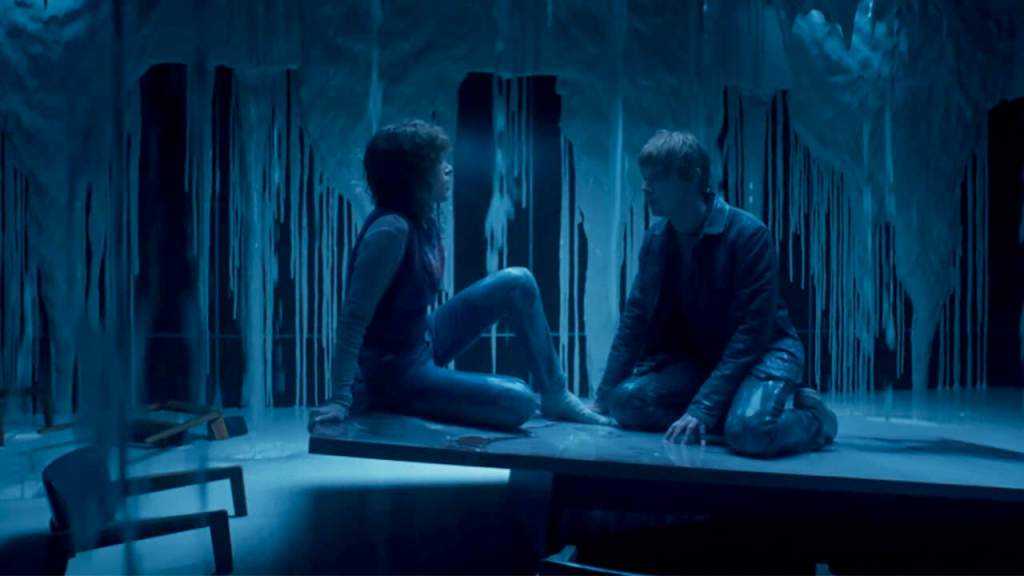
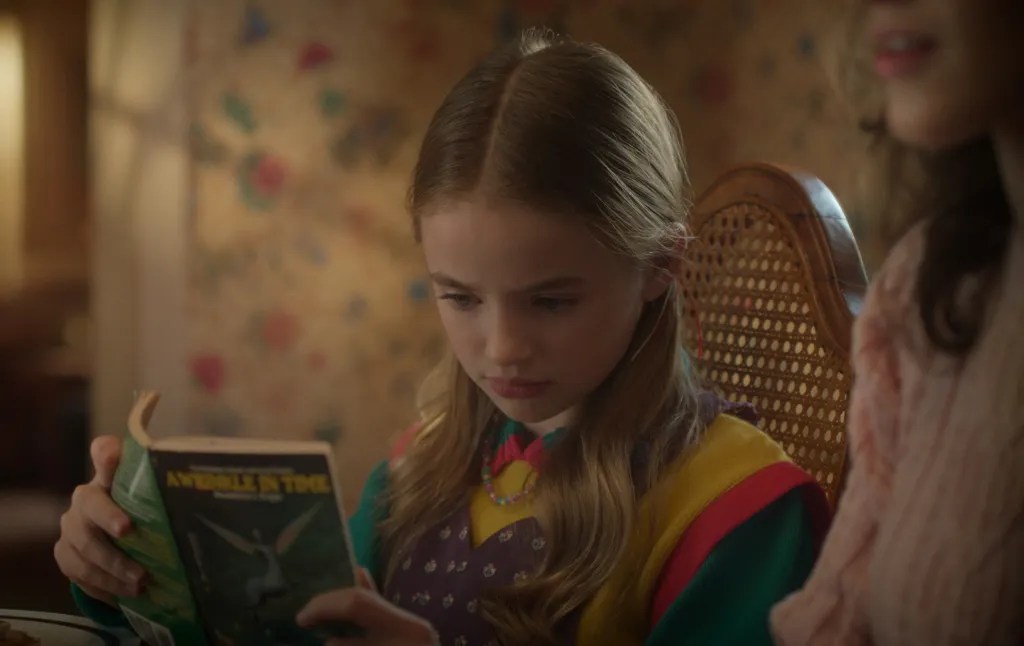
    Less action-packed than chapter one, chapter two of season 5 is primarily concerned with three long-delayed conversations. The first is between Nancy and Jonathan, whose relationship chemistry has been put under questioning by the writers this season. Their fateful dialogue happens in an inventive landscape of dripping and oozing matter transformed by a mysterious energy force from above. The production crew does a good job of bringing this epoxy deathtrap to life, even if the concept verges on the silly. The second conversation involves Will finally telling his circle of loving friends the truth about his feelings and identity. Not that he needed an extra reason, but the writers cleverly weave Vecna’s bullying presence and mental menace into Will’s choice to seek transparency. The third conversation finds Dustin and Steve burying the hatchet on their bickering and remembering what made them unlikely buddies in the first place. 

    In chapter one we acquainted ourselves with Max living inside Vecna’s mindscape, as a refugee in her desert hideout. In chapter two she sets into motion her carefully laid plans to return to the world of Hawkins. In chapter one, Eleven’s ‘sister’ Kali/Eight made a shocking return. Now we get to know her again and her unique perspective on Vecna which threatens to sow discord among the band of heroes. 

    One of the startling things about chapter one is how many assumptions made by our heroes about the mysterious landscape of the Upside Down and about the whereabouts of Vecna turned out to be misunderstandings. Chapter two continues to build on these mysteries, creating a cosmology as elaborate as Dante’s multitiered poetic landscape. Devoting so much new energy to this world-building in a final season with an underwhelming episode count is a risk. It reminds me of JK Rowling’s The Deathly Hallows, when the author turns her characters from the search for the horcruxes to devote a whole new mythology to the three hallows and thus reboot the quest. We shall see if the new architecture defining the Upside Down and Hawkins place in the universe pays off! 

    © Reel Japan December 2025 all rights reserved